
Defense & Victim Representation
Attorney Lee represents both defendants and victims in criminal matters — from initial police investigation through verdict.
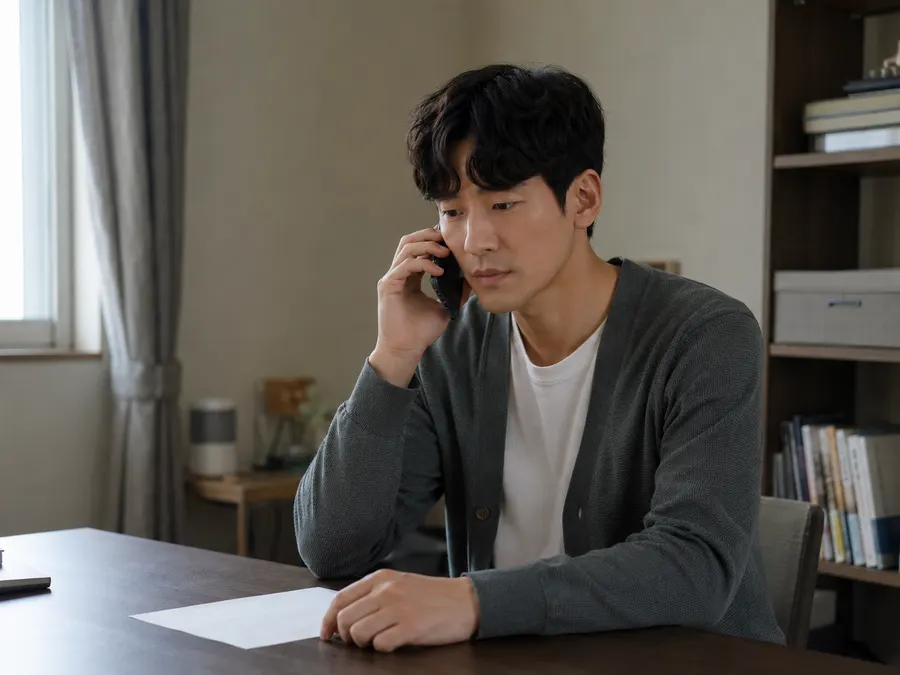
Confirming the Request to Appear and Pre-Interview Consultation
When you receive a request to appear for questioning, you should first confirm the case name, the investigator in charge and which agency they belong to (regular police, or the new Serious Crimes Investigation Office for certain offenses), the date and time of questioning, and whether you are being questioned as a suspect. It is important not to give an improvised explanation over the phone, but to prepare properly before attending the interview.

Organizing Facts and Evidence
Separate what you clearly remember, what is only an assumption, and what can be confirmed through documents or records. Relevant materials such as KakaoTalk messages, call logs, and bank records should be organized in chronological order.

Attendance and Suspect Interview
After being informed of your rights, the police will confirm your personal details and ask questions about the incident. Answers should be given in chronological order, and unclear memories should not be stated as definite facts.

Reviewing and Signing the Suspect Interrogation Record
After questioning, you should carefully read the entire suspect interrogation record. If anything is different from what you actually said, you should request corrections before signing.

Post-Interview Response
The police will review the statements and evidence before deciding whether to refer the case to the Prosecution Service (공소청) or issue a non-referral decision. Even if the case is referred, a prosecutor rarely re-investigates it directly — instead they may request further investigation from police or gather your views through the new interview / fact-finding process. The end of the interview does not necessarily mean the end of the case.
Defendants
If you are under investigation, have been summoned for police questioning, or have been indicted for a criminal offense in Korea, early legal representation is decisive. Attorney Lee handles the full defense process — from police interrogation through prosecution, trial, and sentencing.
Victims
If you have been victimized by illegal filming, non-consensual image sharing, stalking, fraud, or other criminal conduct, Attorney Lee will guide you through the full complaint process — from filing through prosecution and civil remedies — entirely in English.